
2025/26
Impact Report
Building Bridges
Provided
days of care to women and children
from April 1, 2024 to March 31, 2025
Table of contents

Looking Back At The Year…
Message From Our CEO And Board Chair
We also saw progress as a result of bolstering our supports. More women and families moved into transitional housing, helping bridge the path from crisis toward long-term safety.
— Jennifer Hutton, CEO
Our Impact At A Glance

24/7 Support Phone Calls and Online Chats

Outreach client connections

safe shelter clients supported

Prevention and Education connections
Emergency Shelter
Navigating Complex TraumaThis year we continue to see women, gender-diverse individuals and children coming to us with complex trauma. In the past, the priority of emergency shelter was to stabilize and focus on initial healing. Now, the first weeks also include complex system navigation within different sectors like housing, legal and mental health. Now more than ever, we have leaned on our community to work together and build long-lasting and impactful partnerships.
A lot of times someone’s voice has been taken away before they come here. We’re giving it back. We want to hear them.
—Lisa Nice

Enhancing Data Through Survivor Voices
To ensure survivors’ needs are met, this year we hosted four focus groups with clients to understand our gaps in service and how we can improve programming to best meet our client needs. These focus groups were run by a MSW Student and our Data and Evaluation Specialist to ensure anonymity and were a new way to collect feedback in addition to our pre- and post-stay surveys. Through a detailed review and report, we found what clients connected with most during their stay and learned different ways we can evolve to meet the changing needs of our community. The report highlighted the need for peer support, more practical lifeskills and different ways we can connect with partners in our community to continue supporting the growth and empowerment of our clients.
Expanding Partnerships
Highlighting Peer Support
To ensure survivors’ needs are met, this year we hosted four focus groups with clients to understand our gaps in service and how we can improve programming to best meet our client needs. These focus groups were run by a MSW Student and our Data and Evaluation Specialist to ensure anonymity and were a new way to collect feedback in addition to our pre- and post-stay surveys. Through a detailed review and report, we found what clients connected with most during their stay and learned different ways we can evolve to meet the changing needs of our community. The report highlighted the need for peer support, more practical lifeskills and different ways we can connect with partners in our community to continue supporting the growth and empowerment of our clients.
Highlighting Peer Support
To ensure survivors’ needs are met, this year we hosted four focus groups with clients to understand our gaps in service and how we can improve programming to best meet our client needs. These focus groups were run by a MSW Student and our Data and Evaluation Specialist to ensure anonymity and were a new way to collect feedback in addition to our pre- and post-stay surveys. Through a detailed review and report, we found what clients connected with most during their stay and learned different ways we can evolve to meet the changing needs of our community. The report highlighted the need for peer support, more practical lifeskills and different ways we can connect with partners in our community to continue supporting the growth and empowerment of our clients.
Highlighting Peer Support
To ensure survivors’ needs are met, this year we hosted four focus groups with clients to understand our gaps in service and how we can improve programming to best meet our client needs. These focus groups were run by a MSW Student and our Data and Evaluation Specialist to ensure anonymity and were a new way to collect feedback in addition to our pre- and post-stay surveys. Through a detailed review and report, we found what clients connected with most during their stay and learned different ways we can evolve to meet the changing needs of our community. The report highlighted the need for peer support, more practical lifeskills and different ways we can connect with partners in our community to continue supporting the growth and empowerment of our clients.
Programs in Shelter
%
of in-shelter programs prioritize the needs of children
%
of in-shelter programs prioritize the needs of children
%
of in-shelter programs prioritize the needs of children
Child and Youth
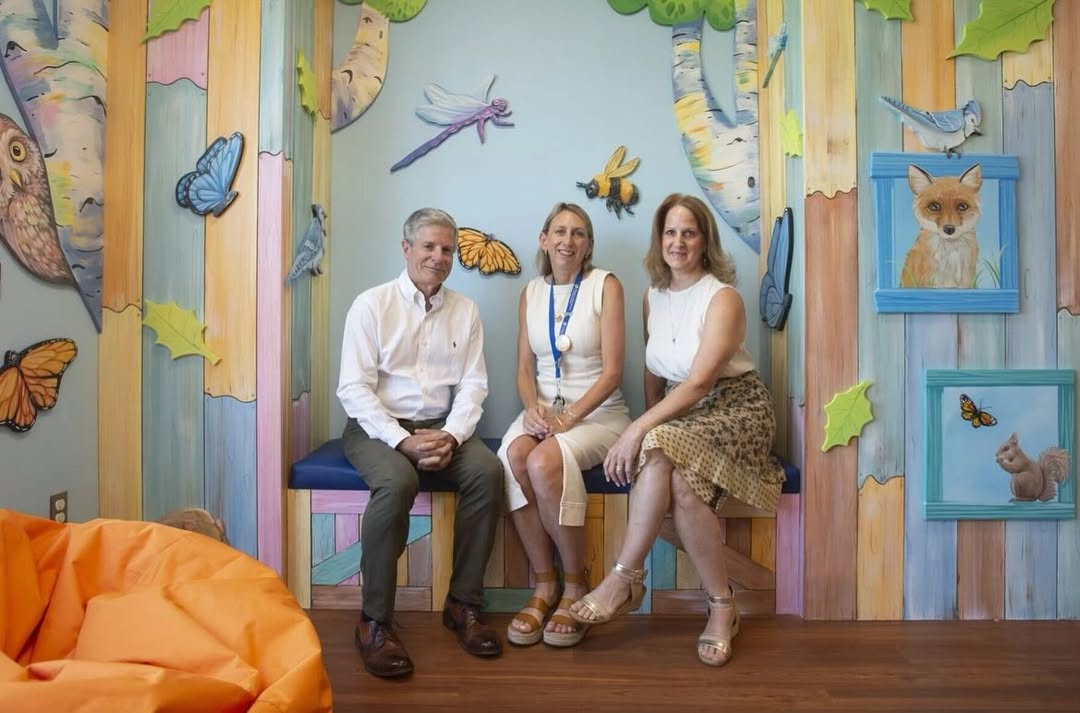
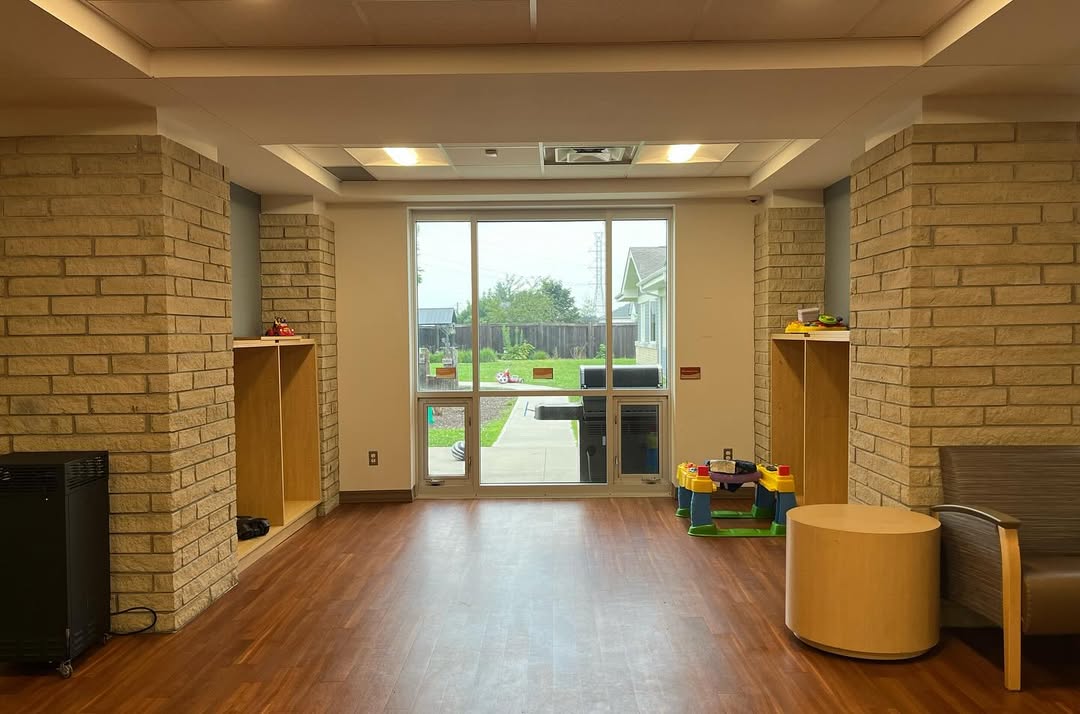
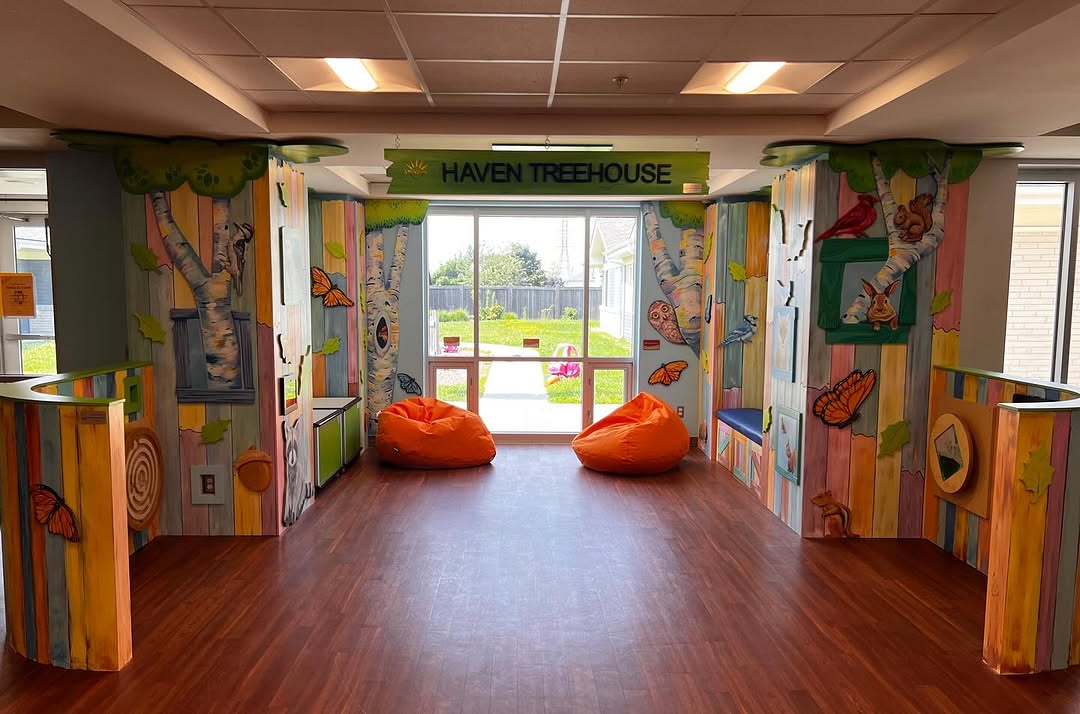
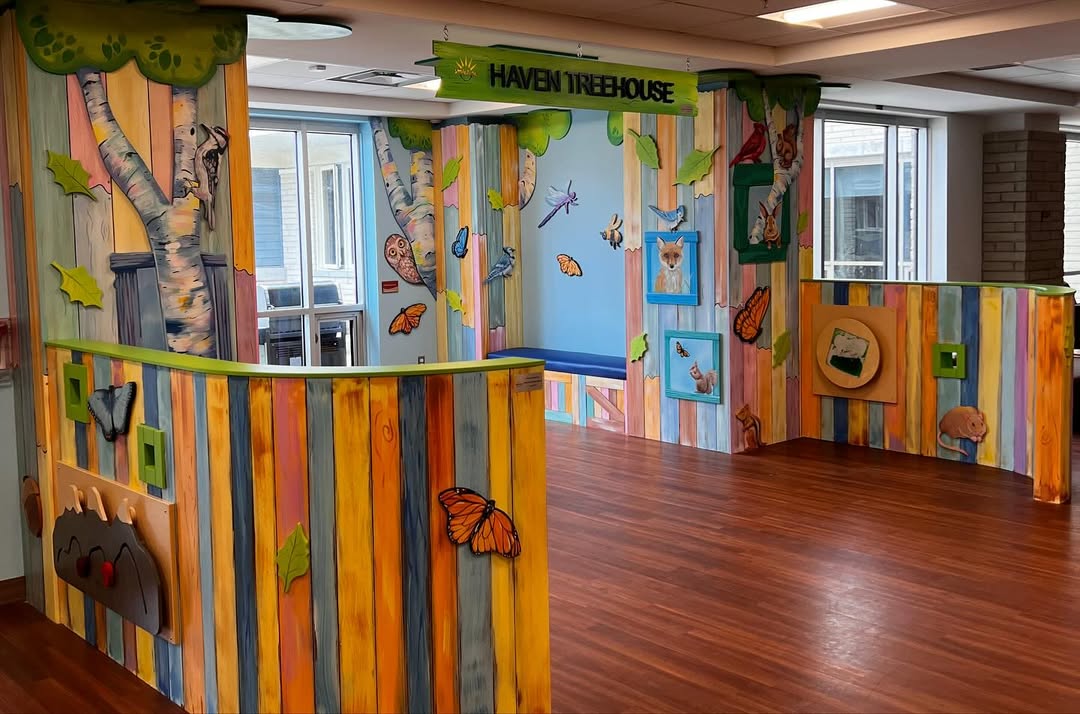
Encouraging Exploration and Play
To ensure survivors’ needs are met, this year we hosted four focus groups with clients to understand our gaps in service and how we can improve programming to best meet our client needs. These focus groups were run by a MSW Student and our Data and Evaluation Specialist to ensure anonymity and were a new way to collect feedback in addition to our pre- and post-stay surveys. Through a detailed review and report, we found what clients connected with most during their stay and learned different ways we can evolve to meet the changing needs of our community. The report highlighted the need for peer support, more practical lifeskills and different ways we can connect with partners in our community to continue supporting the growth and empowerment of our clients.
Food and Nutrition
Moments in the kitchen often remind us that food is more than nourishment. Over the last year, our kitchen has continued to be a place of connection, creating community for clients and staff to come together and share culture, conversation and restorative meals!
This year, our Food and Nutrition team grew as we added a part-time coordinator with a background as a dietician. This Coordinator, Ama, connects with clients about the importance of healthy and balanced meals and runs cooking groups to teach about
Connecting with the Moms
We know that new moms may have unique challenges when it comes to cooking and healthy eating. With _% of clients in shelter either being pregnant or having children under 2 years old, moms regularly connect with our Food and Nutrition team to ensure they are getting proper nutrition to take care of themselves and their little ones. Our new Food and Nutrition Coordinator often sits with clients at dinner and answers questions about adding extra nutrients into meals, breastfeeding problems and budget-effective options for grocery shopping after moving beyond shelter.
Introducing Junior Chefs
This budding collaboration between our Food and Nutrition and Child and Youth teams gives children in shelter the opportunity to learn about cooking skills! While our Child and Youth team helps the kids cook, the Food and Nutrition team sits with moms and talks about kid-friendly meal options and mindfulness at mealtime.
Cooking with Chefs Chris and Terry
From crispy rosti/pancake potatoes to chimichurri to smokey adobo sweet potato and black bean soup, the meals in the kitchen are never boring! See some of our favourite recipes from this year


a focus on equity
We were excited to add an Equity Lead this year to continue our journey towards Equity, Diversity, Inclusion, Accessibility and Reconciliation. This role works closely within our Leadership Team to support with learning and development and looked at policies related to EDIA. Through this work, we were able to create new, deeply impactful partnerships and learn about how to be more equitable to each other, our community and our clients.
Celebrating Diversity
During Black History Month, staff and residents participated in educational workshops like learning about the history of and preparing Jamaican patties.
Healing Through Art
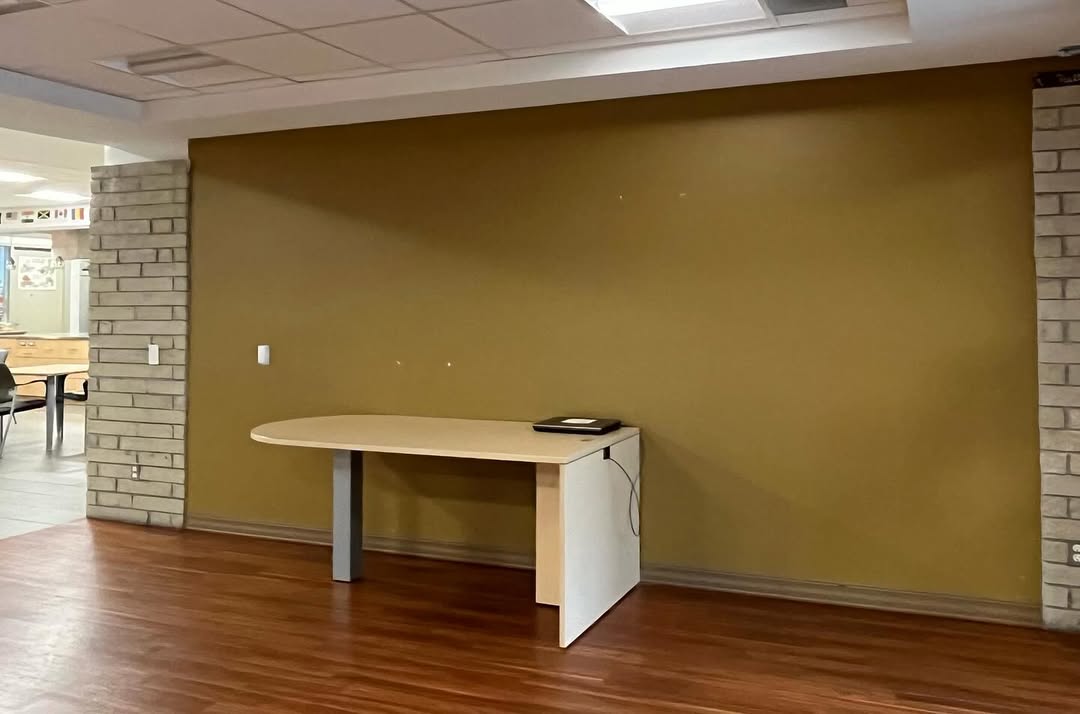
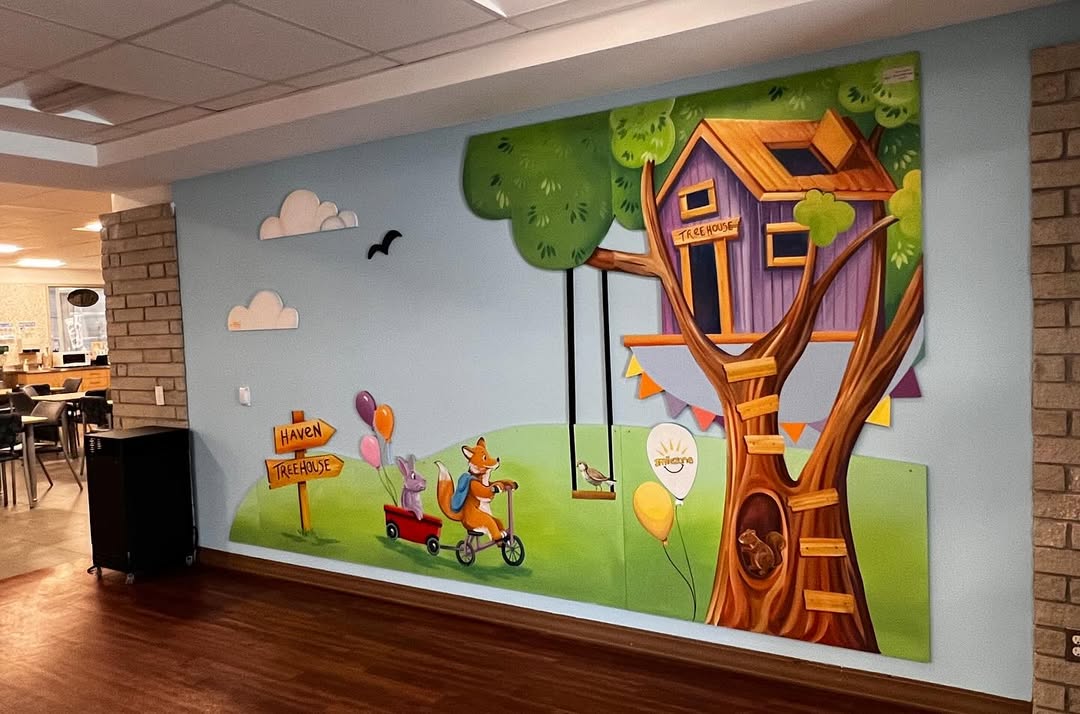
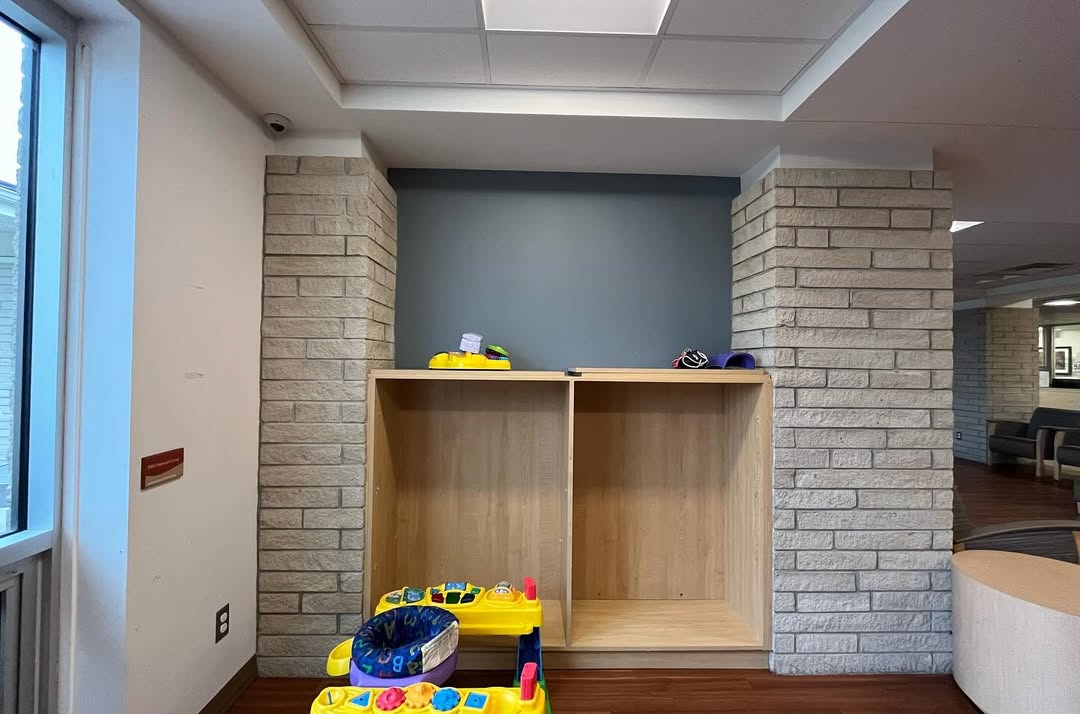
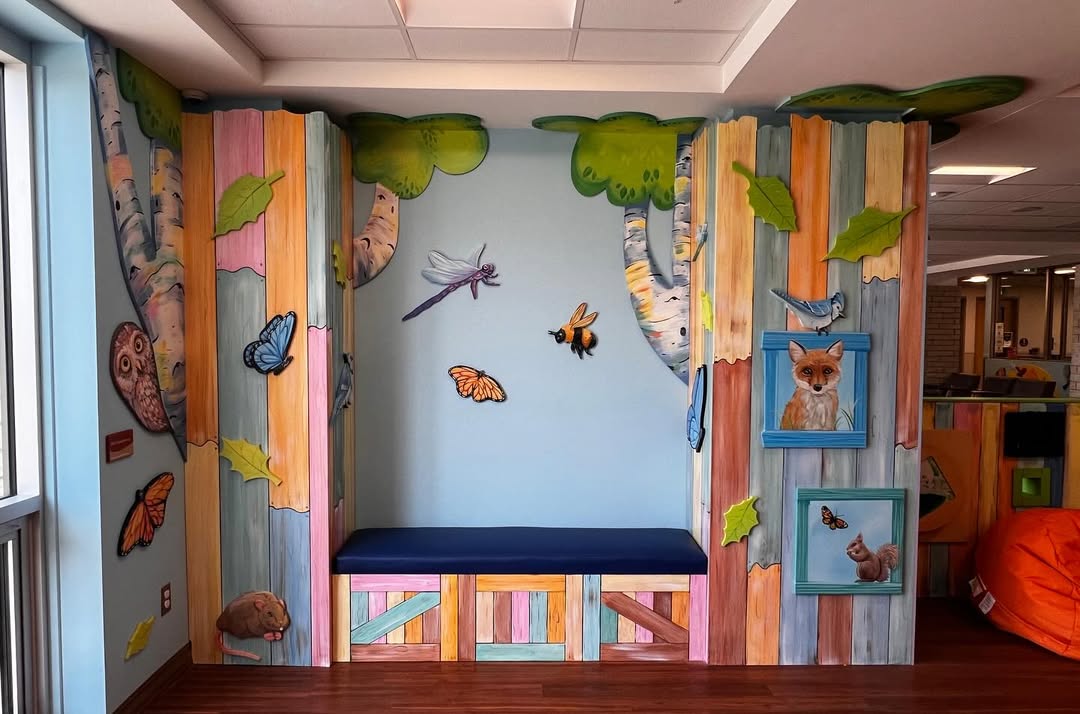
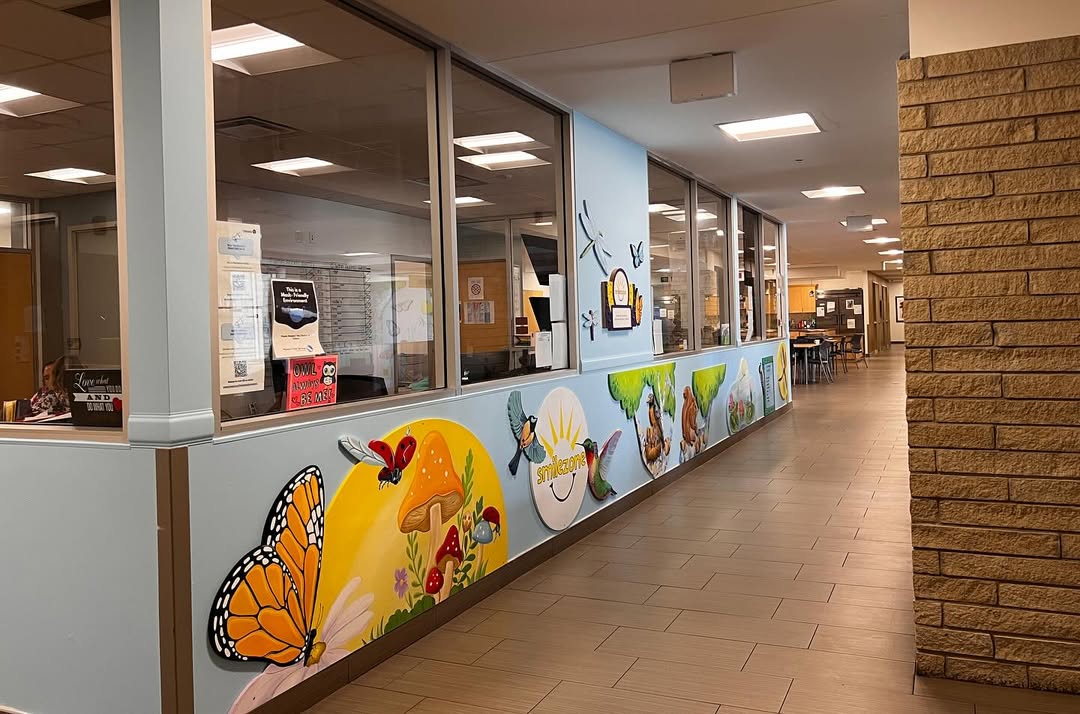
We also continue to bring art and culture into our spaces. Recently, we partnered with an Indigenous artist, Maddie Resmer, to create more joy in our residential spaces through custom murals in both shelters.
Training & Development
Together, we worked with community partners, internal staff and Equity, Diversity, Inclusion and Accessibility (EDIA) professionals to learn about different strategies for improving practices, understanding systemic harm and working towards understanding our own biases.
Building Capacity
This year we were fortunate for the opportunity to increase our staffing in our residential program to ensure clients are receiving the most dedicated care possible. With a new, 10:00am-6:00pm shift there is more overlap between day and evening staff, and a better continuity of care.
We were also able to provide more Child and Youth support in shelter by increasing staffing to two Child and Youth workers at each shelter. This allows more dedicated one-on-one time with children, ensuring we can support each child with age-appropriate education and healing. We have also been able to utilize the Youth Education Program workers in running groups in shelter about consent and healthy relationships!
A lot of times someone’s voice has been taken away before they come here. We’re giving it back. We want to hear them.
—Lisa Nice
Housing Support
Housing instability shapes every other barrier to support%
of in-shelter programs prioritize the needs of children
%
of in-shelter programs prioritize the needs of children
%
of in-shelter programs prioritize the needs of children
We continue to see housing as one of the biggest barriers for those choosing to leave their relationship. Due to this, we’ve expanded our housing support options and focused on creating and nurturing partnerships to provide more housing options for our clients.
This year, Aspen Place continued to provide support to bigger families who have a harder time finding affordable housing options. We housed six moms and eight children this year, providing a longer-term, safe place to call home.
A lot of times someone’s voice has been taken away before they come here. We’re giving it back. We want to hear them.
—Lisa Nice
Community helping community

Region of Waterloo Partnership
This year we were able to partner with the Region of Waterloo to provide more housing support to our clients. Since receiving these units, five families have been housed with moms and one-to-three children. Two of these families have since moved into permanent housing! This has been a great opportunity to connect more with the Region of Waterloo and other local organizations that work with unhoused populations in our community.

Nurturing Community Partnerships
We are so grateful to work with so many different community partners to ensure our residents have access to safe and affordable housing. Building on last years Transitional Housing menu, we’ve added more options for staff and clients to find the perfect housing fit. This expanded menu includes a list of our current partnerships, eligibility criteria for each and links to refer clients to streamline and simplify the process.
Outreach Services
flexible and personalized community-based supportOutreach services provide flexible and personalized community-based support for women experiencing domestic violence who may not need or want shelter. Through one-on-one support, safety planning and resource navigation, Outreach workers connect with women as they decide what safety and healing looks like for them.
One of the challenges as someone experiencing violence is not knowing what next step to take. Outreach workers gently connect clients to community agencies, legal aid and advocate for them every step of the way.
This program ensures help is accessible, responsive and centered around empowering choice.
A lot of times someone’s voice has been taken away before they come here. We’re giving it back. We want to hear them.
—Lisa Nice
Survivors Supporting Survivors
We know that every survivor comes to us with different needs and a different story. For many who come to the Outreach Program, practical needs like help with supportive housing, legal aid or safety planning are always the first priority. After those practical needs have been met, our peer support group has given our clients the opportunity to build community and emotional connections with other survivors on a long-term basis.
These groups run in the afternoon and evening to accommodate work and childcare schedules and each group has between 5-9 participants. Survivors lead these conversations and connect with each other around different community organizations, emotional support and how to move beyond violence in the community.
These informal spaces are a great opportunity for us to empower clients to be leaders with other survivors,
Acknowledging the Gaps
To ensure survivors’ needs are met, this year we hosted four focus groups with clients to understand our gaps in service and how we can improve programming to best meet our client needs. These focus groups were run by a MSW Student and our Data and Evaluation Specialist to ensure anonymity and were a new way to collect feedback in addition to our pre- and post-stay surveys. Through a detailed review and report, we found what clients connected with most during their stay and learned different ways we can evolve to meet the changing needs of our community. The report highlighted the need for peer support, more practical lifeskills and different ways we can connect with partners in our community to continue supporting the growth and empowerment of our clients.
Highlighting Peer Support
To ensure survivors’ needs are met, this year we hosted four focus groups with clients to understand our gaps in service and how we can improve programming to best meet our client needs. These focus groups were run by a MSW Student and our Data and Evaluation Specialist to ensure anonymity and were a new way to collect feedback in addition to our pre- and post-stay surveys. Through a detailed review and report, we found what clients connected with most during their stay and learned different ways we can evolve to meet the changing needs of our community. The report highlighted the need for peer support, more practical lifeskills and different ways we can connect with partners in our community to continue supporting the growth and empowerment of our clients.
Highlighting Peer Support
To ensure survivors’ needs are met, this year we hosted four focus groups with clients to understand our gaps in service and how we can improve programming to best meet our client needs. These focus groups were run by a MSW Student and our Data and Evaluation Specialist to ensure anonymity and were a new way to collect feedback in addition to our pre- and post-stay surveys. Through a detailed review and report, we found what clients connected with most during their stay and learned different ways we can evolve to meet the changing needs of our community. The report highlighted the need for peer support, more practical lifeskills and different ways we can connect with partners in our community to continue supporting the growth and empowerment of our clients.
Community Focus on Ending Gender-Based Violence
We are proud to be working alongside community partners to ensure survivors have continued wraparound supports.
Leading Together
Waterloo Region’s Gender-Based Violence Strategy brings together organizations leading the movement for ending gender-based violence in Waterloo Region. The Leadership Table focuses on the root causes of GBV and works together to advocate for systemic social change. The four sub-committees under the Leadership Table each focus on different forms of gender-based violence, doing on-the-ground work to support survivors and raise awareness about gender-based violence. The committees include the Anti-Human Trafficking Service Coordinating Committee (AHTSCC), the Domestic Violence Service Coordinating Committee (DVSCC), the Sexual Violence Service Coordinating Committee (SVSCC) and the Public Education Network (PEN).
Building Resilience
The Resilience Project is a collective effort of 20 partner organizations to offer resilience programs for children, youth, caregivers and families in Waterloo Region. Since 2017, Resilience Project partners have been working together using a collective impact approach to reduce barriers in receiving services and support, and to promote resilience in the Waterloo Region. Starting from a place of wanting to heal from, and prevent, child abuse and neglect, partners looked to the research that is occurring around the globe that tells us many factors that can contribute to family stress, often resulting in systemic inequities in accessing support.
Wraparound Support
Through collaboration and in partnership with the community, the Family Violence Project of Waterloo Region raises awareness and delivers services to anyone at risk of or currently experiencing family violence. Established in 2006, the Family Violence Project is a collaborative of agencies that aim to address the needs of domestic violence victims and survivors by providing seamless, wrap-around services that can be accessed all under one roof. By entering one door, people experiencing violence can connect with several essential services in a caring, supportive and survivor-centered environment.
Community Coming Together
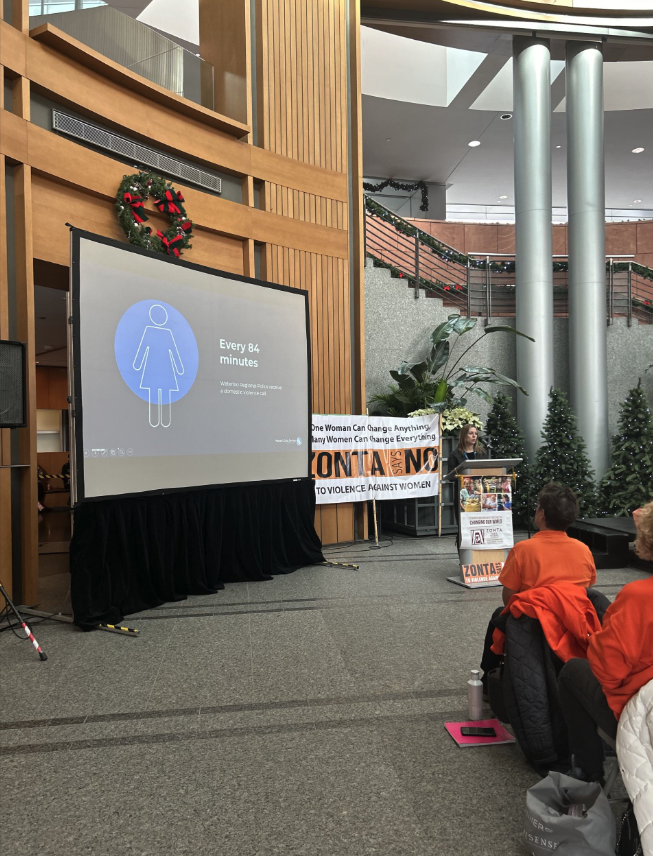
This year marked the first annual Coalition for Ending Gender-Based Violence! Hosted by the GBV Leadership Table, local leaders gathered to better understand what’s being done across Waterloo Region to support survivors experiencing gender-based violence, to learn about the local landscape and hear from leaders in the gender-based violence space about how we can continue moving forward.
A highlight from this event were a panel discussion from local leaders in the gender-based violence space highlighting current gaps of service within our community. This event also spotlighted restorative justice with a presentation by Kate Crozier, the Executive Director of Community Justice Initiatives. Finally, the keynote speech from Jude Oudshoorn emphasized the importance of creating a culture of accountability by working with men and boys.
We look forward to forward to hosting this event annually moving forward and continuing to show off the incredible work being done in our community with partners at the GBV Strategy, Resilience Project and Family Violence Project.
As we continue to establish Prevention and Education as one of the core pillars of our work, this year we added a new position to focus on our service-based prevention programs. Christina, our Relief and Prevention Programs Manager, oversees our Youth Education, Safe Neighbors and Engaging Men programs, in hopes to enhance and expand these programs in our community. Chrstina also manages our Relief Residential Support Workers to prioritize their growth and development and streamline our weekend shift processes. This addition has given us the opportunity to continue growing programs that have huge impact both in the shelters and out in the community.
Prevention and Education
Creating a Culture of Changeyouth education program
%
increase in youth education participants compared to last year
youth education presentation sessions
Being a part of the village that helps youth understand consent, empathy, self-esteem and healthy relationships is the best part of the job.
—Evan, Youth Education Worker
Expanding Prevention with Youth Education
After a nearly 3x spike in last year’s total Youth Education participants, we knew it was important to prioritize increasing the Youth Education Program’s capacity. We are excited to share the expansion of our Youth Education program as we welcome Evan, a new, full-time permanent role into the Youth Education Program!
Our Youth Education works with youth to promote healthy relationships, respect and accountability through interactive lessons. By welcoming the addition of a new role, this prevention program is growing to strengthen initiatives like Coaching Boys into Men and allows for us to do less formal, but still highly impactful programming.
engaging men program
%
increase in youth education participants compared to last year
youth education presentation sessions
youth education presentation sessions
To ensure survivors’ needs are met, this year we hosted four focus groups with clients to understand our gaps in service and how we can improve programming to best meet our client needs. These focus groups were run by a MSW Student and our Data and Evaluation Specialist to ensure anonymity and were a new way to collect feedback in addition to our pre- and post-stay surveys. Through a detailed review and report, we found what clients connected with most during their stay and learned different ways we can evolve to meet the changing needs of our community. The report highlighted the need for peer support, more practical lifeskills and different ways we can connect with partners in our community to continue supporting the growth and empowerment of our clients.
A lot of times someone’s voice has been taken away before they come here. We’re giving it back. We want to hear them.
—Lisa Nice
To ensure survivors’ needs are met, this year we hosted four focus groups with clients to understand our gaps in service and how we can improve programming to best meet our client needs. These focus groups were run by a MSW Student and our Data and Evaluation Specialist to ensure anonymity and were a new way to collect feedback in addition to our pre- and post-stay surveys. Through a detailed review and report, we found what clients connected with most during their stay and learned different ways we can evolve to meet the changing needs of our community. The report highlighted the need for peer support, more practical lifeskills and different ways we can connect with partners in our community to continue supporting the growth and empowerment of our clients.
Acknowledging the Gaps
This new initiative, co-facilitated with the Sexual Assault Support Centre of Waterloo Region (SASCWR), focuses on prevention by training sports coaches to talk about healthy masculinity and gender-based violence with their students. The program, launched in October and with training done in January, reached nine schools and engaged two coaches per school. The program was led by Interval House of Hamilton with the goal of disrupting harmful “locker room” culture and promoting respectful peer relationships among young men. Although the initial funding has ended, the program thankfully continues to be supported through the National Action Plan.
safe neighbours
%
increase in youth education participants compared to last year
youth education presentation sessions
A lot of times someone’s voice has been taken away before they come here. We’re giving it back. We want to hear them.
—Lisa Nice
Acknowledging the Gaps
To ensure survivors’ needs are met, this year we hosted four focus groups with clients to understand our gaps in service and how we can improve programming to best meet our client needs. These focus groups were run by a MSW Student and our Data and Evaluation Specialist to ensure anonymity and were a new way to collect feedback in addition to our pre- and post-stay surveys. Through a detailed review and report, we found what clients connected with most during their stay and learned different ways we can evolve to meet the changing needs of our community. The report highlighted the need for peer support, more practical lifeskills and different ways we can connect with partners in our community to continue supporting the growth and empowerment of our clients.
To ensure survivors’ needs are met, this year we hosted four focus groups with clients to understand our gaps in service and how we can improve programming to best meet our client needs. These focus groups were run by a MSW Student and our Data and Evaluation Specialist to ensure anonymity and were a new way to collect feedback in addition to our pre- and post-stay surveys. Through a detailed review and report, we found what clients connected with most during their stay and learned different ways we can evolve to meet the changing needs of our community. The report highlighted the need for peer support, more practical lifeskills and different ways we can connect with partners in our community to continue supporting the growth and empowerment of our clients.
total podcast downloads this year
number of episodes released this year
A lot of times someone’s voice has been taken away before they come here. We’re giving it back. We want to hear them.
—Lisa Nice
Accessible Education
She Is Your Neighbour (SIYN) continues to be a bridge so education doesn’t feel out of reach. With over eight seasons, it is a place for people to learn about the realities of domestic and gender-based violence in a digestible way that centers survivors.
As Lillie Proksch, SIYN Producer, shared, it is “an accessible way to do education,” meaning this is a resource that people can utilize on their own time and place. We often hear this allows for growth at a time where someone is just beginning to understand what they’re seeing or experiencing.
Trusted Voice
This year, conversations became more layered, especially through series like Diving Deeper, where we talked to past guests and explored topics that don’t always get the time they deserve in shorter-form education.
Women’s Crisis Services is lucky to have experienced professionals within our own organization, so She Is Your Neighbour opened up the space this year through its first ever Staff Series! It gave listeners the chance to learn the extent of what happens inside the organization and frontline workers the platform to share more of their perspective. We even got to hear more from Jennifer Hutton, CEO of Women’s Crisis Services, and her motivations behind championing the change towards ending violence against women.
Amplifying the podcast was a highlight this year, through the recognition of being nominated for the Feminist Creator Prize and Purple Ribbon Award, which expanded the visibility beyond Waterloo Region, illustrating SIYN deepening its impact as a trusted voice across communities.
We All Have A Role To Play
There is a growing understanding of prevention work. People are seeing the connection between education as a way to disrupt the cycle of violence. By interviewing industry experts, our approach towards ending violence also shifts. For example, Julie Lalonde shared some practical tips for Bystander Intervention, which can be utilized in our public presentations and Safe Neighbour conversations around addressing domestic violence when we don’t know what to say. This growing knowledge base allows people across the industry to be better equipped for community conversations. She Is Your Neighbour confidently addresses that advocacy is seen in the small everyday conversations challenging harmful beliefs and systems.
Community Events and Fundraising
Connections Through Community Support
We All Have A Role To Play
Every day, women, gender-diverse individuals and children feel the impact of community support. Whether through individual donations, grant funding, event participation, workplace giving or third-party fundraisers, our community continues to show up to build a future free from violence
This year, existing relationships were strengthened while new opportunities for support were found. From recreational grants that allowed children in shelter to experience March Break outings and activities, to regional? funding that strengthened violence prevention programming, these supports allowed us to respond to evolving needs while continuing to provide immediate crisis services.
We also saw support take many forms beyond financial contributions! Community members invited us to speak at events, shared our resources like screening our documentary, hosted fundraisers and taught new people about our work. These moments bring conversations about domestic violence into spaces we could not reach alone.
As Donette Subron reflected, donors are not just contributing financially. They are helping build bridges between the work we do and the communities they are involved in. Community support goes far beyond finances, it happens through conversations and advocacy. Connections deepen when supporters carry this work into workplaces, social groups and neighbourhoods across Waterloo Region.
Together, these collective efforts plant seeds in our communities that strengthen the protection and support for the futures of women, gender-diverse individuals and children moving beyond violence.
Our Biggest Voices Empower Yet
One of the main ways our community comes together to support is through Voices Empower. Last year, more than 250 people gathered in Waterloo Town Square for the 6km walk, making it our largest event to date! The event is a special moment where survivors, community members, donors, advocates and supporters share space and reinforce their commitment to ending domestic violence and creating safer communities.
Voices Empower is an important fundraiser, but its impact extends far beyond dollars raised! The event creates opportunities for education and community-building. By painting the streets purple in our gear, many onlookers who might not typically learn about domestic violence are introduced to the issue for the first time. It is always a powerful reminder that meaningful change happens when communities come together. Perhaps most importantly, Voices Empower demonstrates that this work is not carried by one person alone. Rather, it is made possible by hundreds of people who choose to show up and advocate for a future free from violence. We are grateful to see that community continuing to grow each year.
250
total participants
$180,000+
total funds raised
donor spotlights

I don’t want personal recognition for what I do from any one person. My goal is to help as many people as I can, and I hope to continue doing so for the foreseeable future.
— Peter Voss, WCSWR Donor
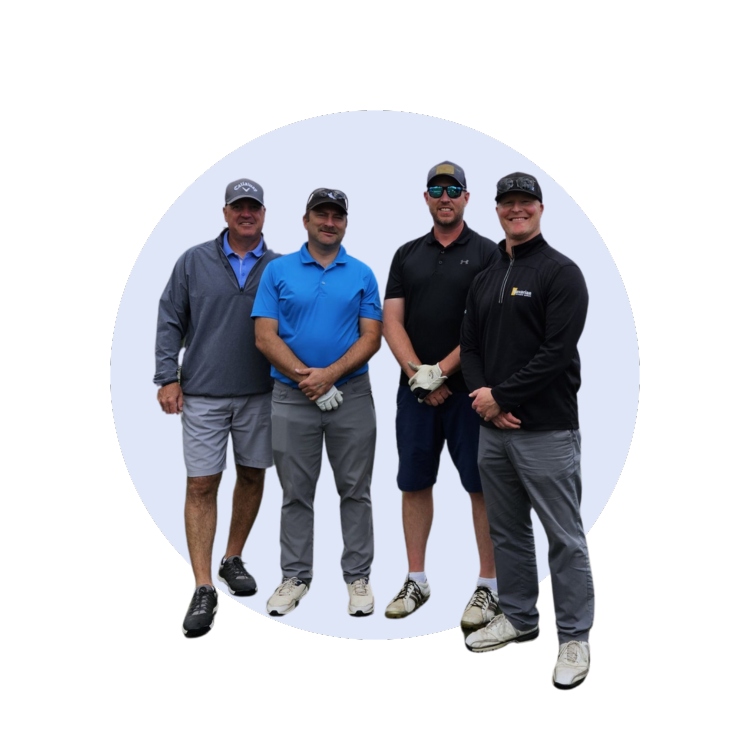
If we all took care of the garden in our backyard, the world would be a better place.
— Chris Dietrich, WCSWR Donor
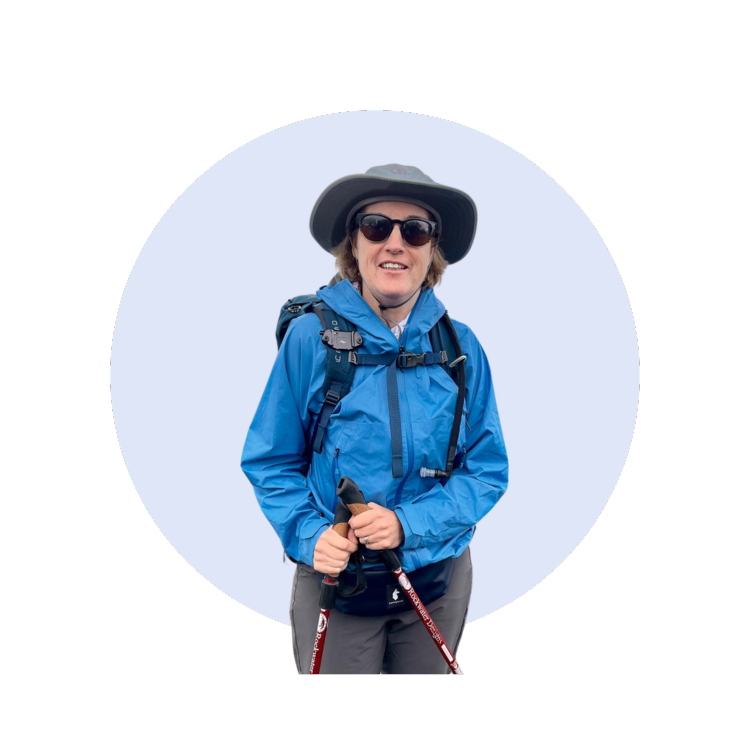
Fundraising gives you a chance to not only raise money but raise awareness about an issue … that is the real value of choosing to fundraise.
— Tracey Appleton, WCSWR Donor
Treasurer’s Report
I am happy to report that Women’s Crisis Services of Waterloo Region completed the fiscal year ended March 31, 2025, in a strong financial position. This strong result is directly related to the leadership team’s continued focus on financial management. Fundraising results exceeded expectations, and coupled with disciplined expense management, led to exceeding the annual targets. Most importantly, this financial success supported the operational goals to continue to serve clients and the community with a high level of care and support.
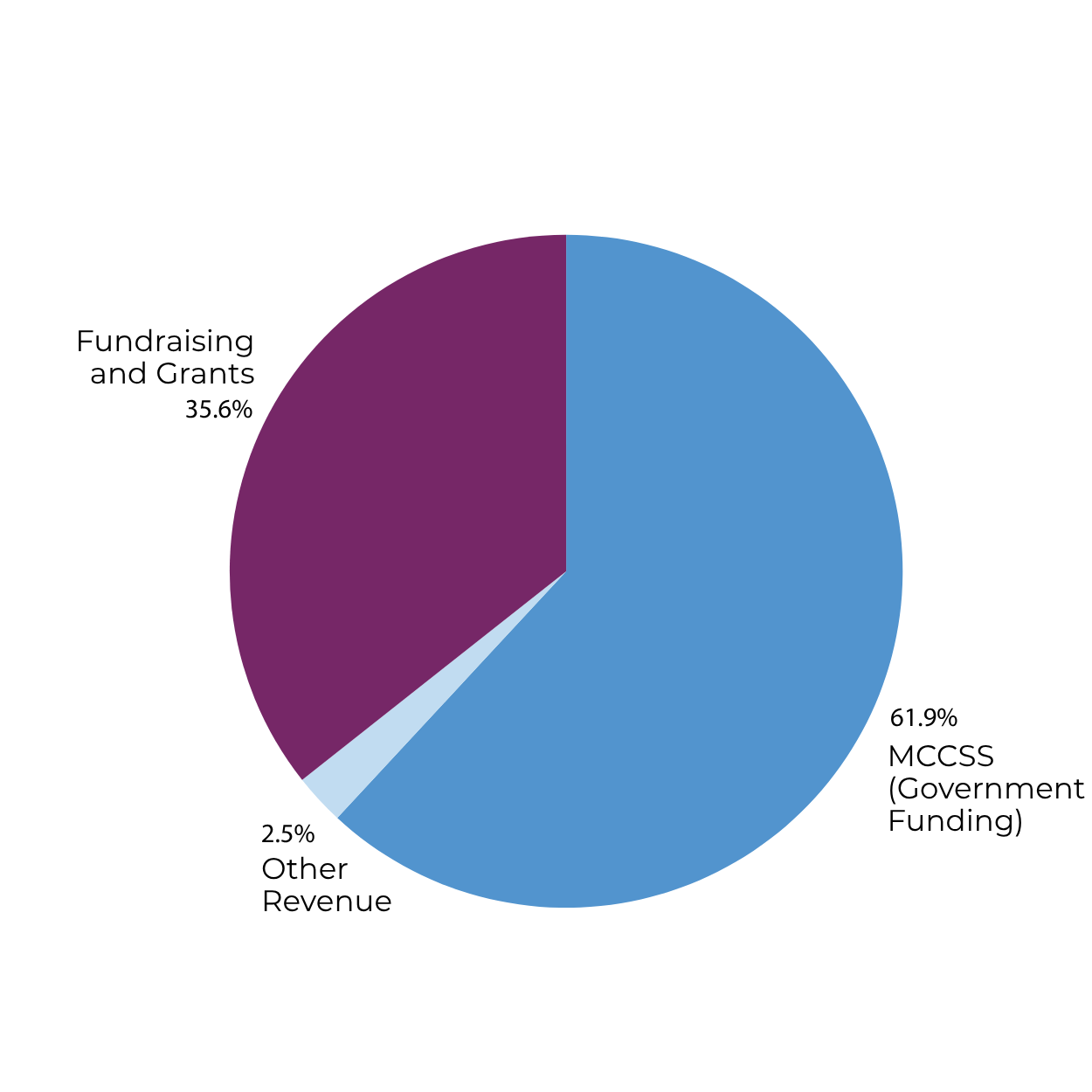
Women’s Crisis Services started the year with a tight budget to maintain our current operations. The largest source of funding continues to be the Ministry of Children, Community and Social Services, with funding remaining relatively consistent this year. However, this funding alone is not sufficient to run the shelter and support programming. The next largest and critical source of funding is donations from fundraising, grants and bequests. We are all grateful and heartened to see the community’s continued generosity and support for women and children moving beyond violence.
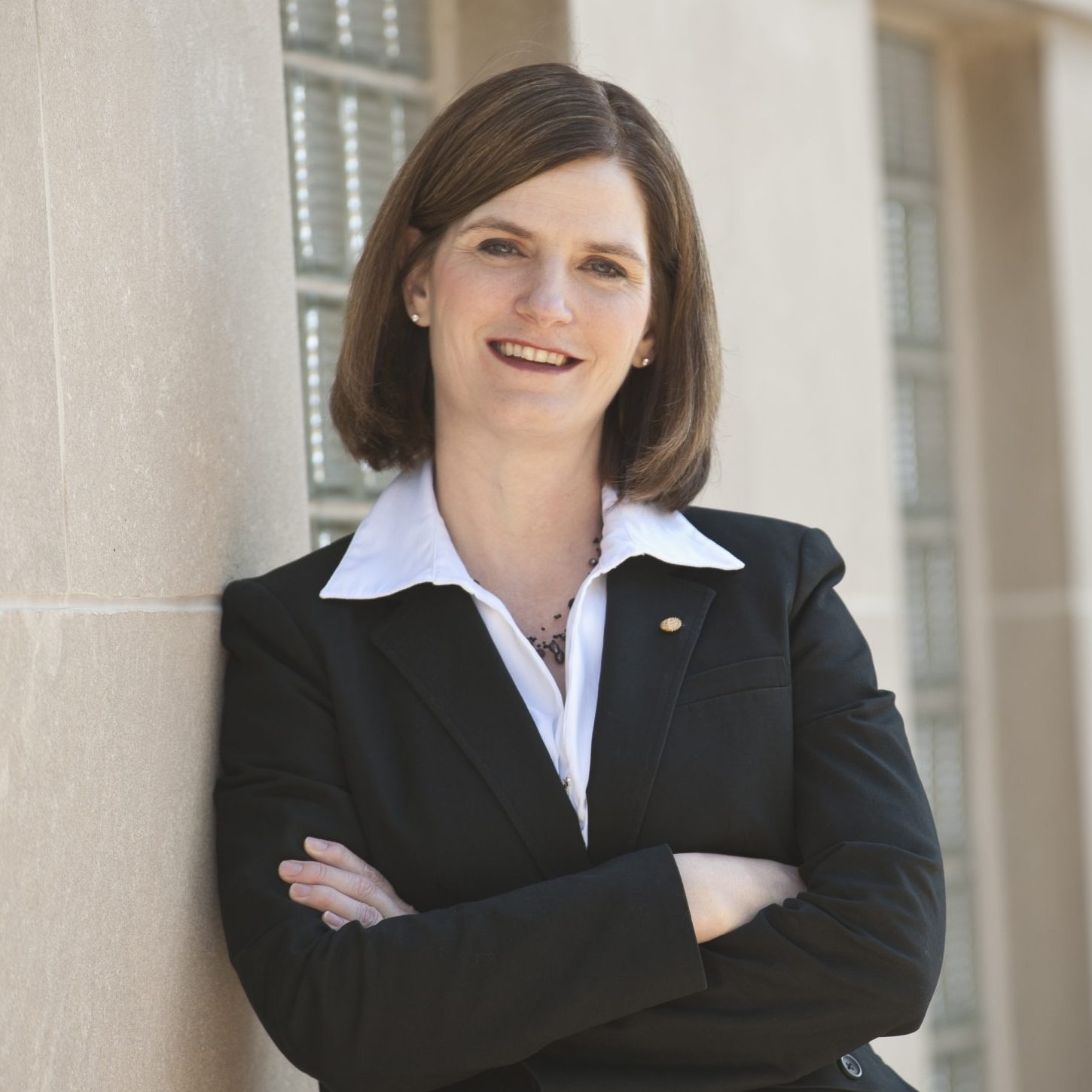
Laurie Lengyell, Treasurer
Congratulations to the management team and all the staff on a terrific year! Thank you for all you do to deliver on our mission to end violence in our community.
And lastly, thank you to our community for showing up and supporting us. We are looking forward to another great year ahead.
2024/25 Revenue

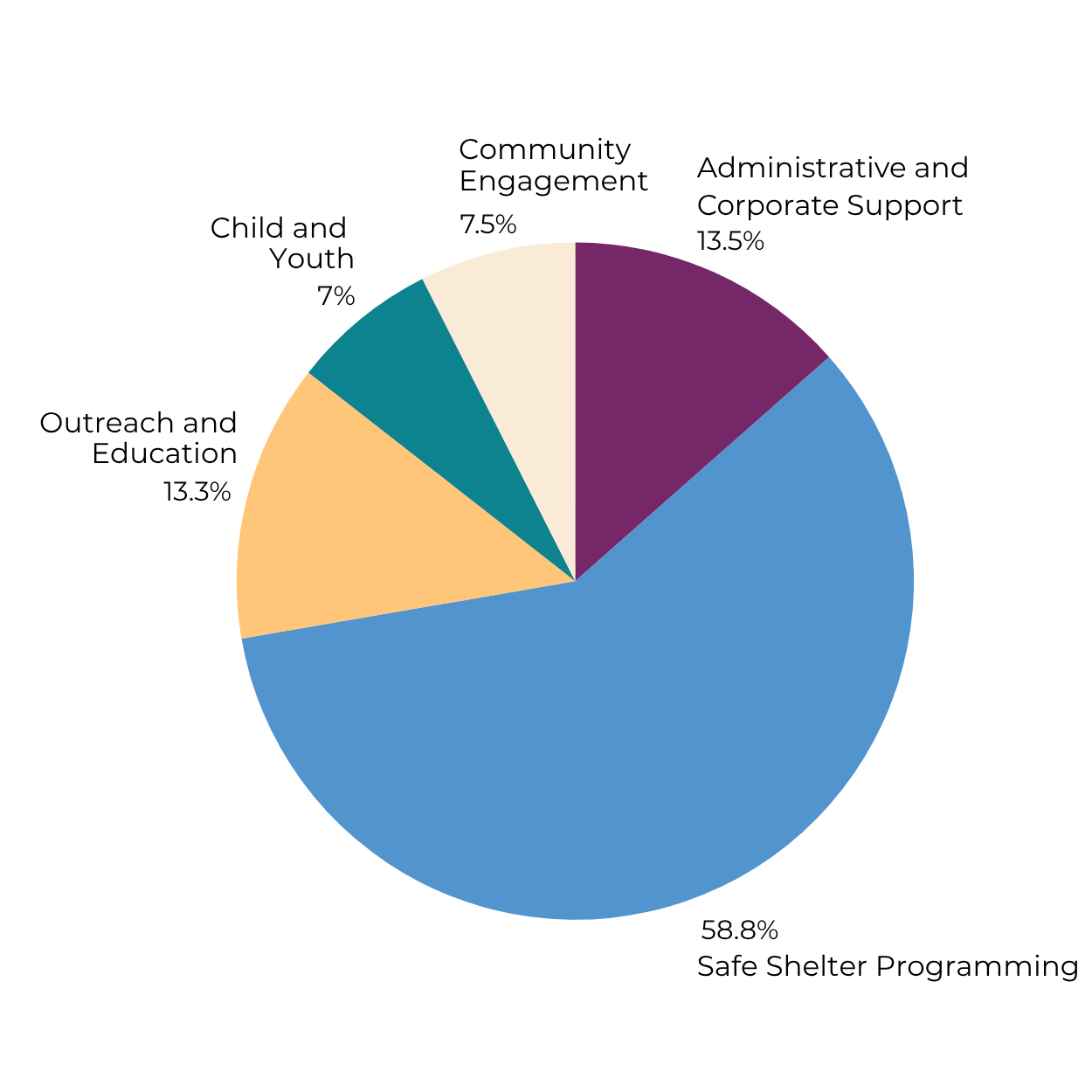
2024/25 Expenses

*Complete copies of the financial statements are available upon request.
Thank You
When we look back at this year, what stands out most is not any one program or initiative, instead it is the number of people and ways in which they showed up to support women, gender-diverse individuals and children moving beyond violence.
There are so many ways to participate in this cause and they all have a role to play. Some people showed up through donations, funding and partnerships, others were involved through advocacy, conversations in their own circles and by simply staying connected.
This work doesn’t happen in isolation. It happens because people choose to be part of it. Everyday we see a community who wants to learn and they choose to make space for conversations that are not always easy, but are necessary.
And so this is a thank you! Thank you for being part of that collective advancement and for helping build the bridges that make change possible.
Want to Move Beyond Violence With Us?
Subscribe to our quarterly e-newsletter!